FEATURED PERSONALITIES


EVENTS

Establishment of Muslim Rule
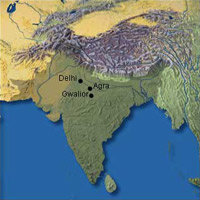
Though Muslims entered South Asia with the conquest of Sindh by Muhammad bin Qasim and then with the annexation of Punjab by Mahmud Ghaznavi, yet the real credit of the establishment of Muslim rule in the region goes to Shahab-ud-din Muhammad Ghuri. The Ghurids had ...
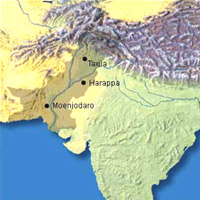
Ancient Empires of the Sub-Continent
Some of the earliest relics of Stone Age man were found in the Soan valley near Rawalpindi, dating back to ...
Physical Features of Indus Men
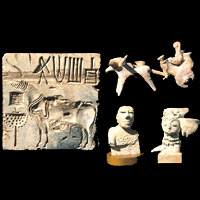
Four types of skeletons are found from archeological remains of Indus Civilization. Proto-Australoids or Caucasic people were in majority. They ...

Origin of Indus Civilization
Indus Civilization was one of the oldest civilizations. It covers the area of 500,000 square miles, which spread in the ...

Early Cultures of Indus Civilization
Some of the earliest relics of Stone Age man in the subcontinent are found in the Soan Valley of the ...


ARTICLES
Quran and Science
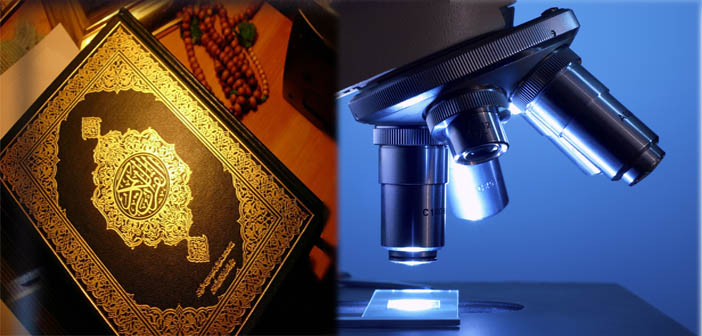
The only book that is authored by God on the earth is Al-Quran was revealed in Arabic to Prophet Muhammad (SAW) over a period of twenty-three years ending in 632 A.D., the year he passed ...

What is New World Order?
Since the 1991 Persian Gulf War, the term "New World Order" has become well-known. There has been, however, no explanation ...

Dr. Annemarie Schimmel: A Great Scholar-Hermit
A leading German Islamicist, orientalist, scholar, literary figure, prolific writer and an authoress of more than hundred books who was ...

But You Have To Admire Their Cunning
One byproduct of the Internet is the barrage of opinion pools that fill your In-box daily. "Do you believe in ...

Oil Politics
Oil is the most important commodity of the present times. The importance of oil cannot be denied. Oil is the ...

Story of Pakistan
It is the story of family which lived in a colony situated in sector South Asia of Global village and ...

Pakistan in Transition Towards a Substantive Democracy
It is also first time in Pakistan’s history since partition that an elected government completes its term to hand over ...
Origin of Indus Civilization
Indus Civilization was one of the oldest civilizations. It covers the area of 500,000 square miles, which spread in the ...

Axis of Evil
With an alarming message to every enemy of the United States: Even 7,000 miles away, across oceans and continents, on ...

Security: A factor in Pakistan Foreign Policy 1947-1997
The geo-political situation of Pakistan has made security its top most priority. Since her inception in 1947, Pakistan has faced ...

Limited Options for Pakistan
Every human has a sympathetic feeling for the innocents who were killed in the accident of September 11, and I ...
 Loading ...