FEATURED PERSONALITIES

EVENTS

Establishment of Muslim Rule
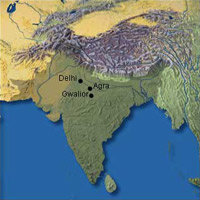
Though Muslims entered South Asia with the conquest of Sindh by Muhammad bin Qasim and then with the annexation of Punjab by Mahmud Ghaznavi, yet the real credit of the establishment of Muslim rule in the region goes to Shahab-ud-din Muhammad Ghuri. The Ghurids had ...
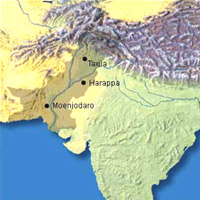
Ancient Empires of the Sub-Continent
Some of the earliest relics of Stone Age man were found in the Soan valley near Rawalpindi, dating back to ...
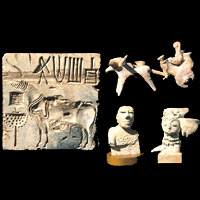
Physical Features of Indus Men
Four types of skeletons are found from archeological remains of Indus Civilization. Proto-Australoids or Caucasic people were in majority. They ...

Origin of Indus Civilization
Indus Civilization was one of the oldest civilizations. It covers the area of 500,000 square miles, which spread in the ...

Early Cultures of Indus Civilization
Some of the earliest relics of Stone Age man in the subcontinent are found in the Soan Valley of the ...


ARTICLES
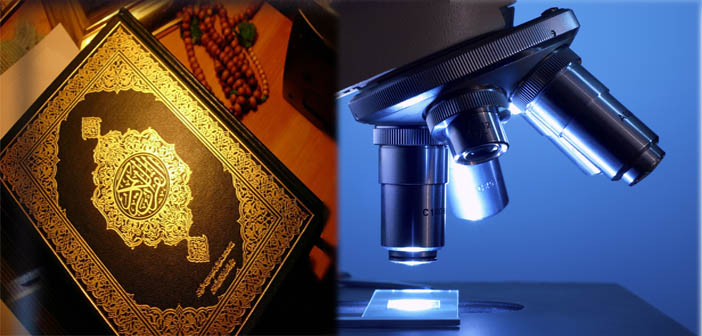
Quran and Science
The only book that is authored by God on the earth is Al-Quran was revealed in Arabic to Prophet Muhammad (SAW) over a period of twenty-three years ending in 632 A.D., the year he passed ...

What is New World Order?
Since the 1991 Persian Gulf War, the term "New World Order" has become well-known. There has been, however, no explanation ...
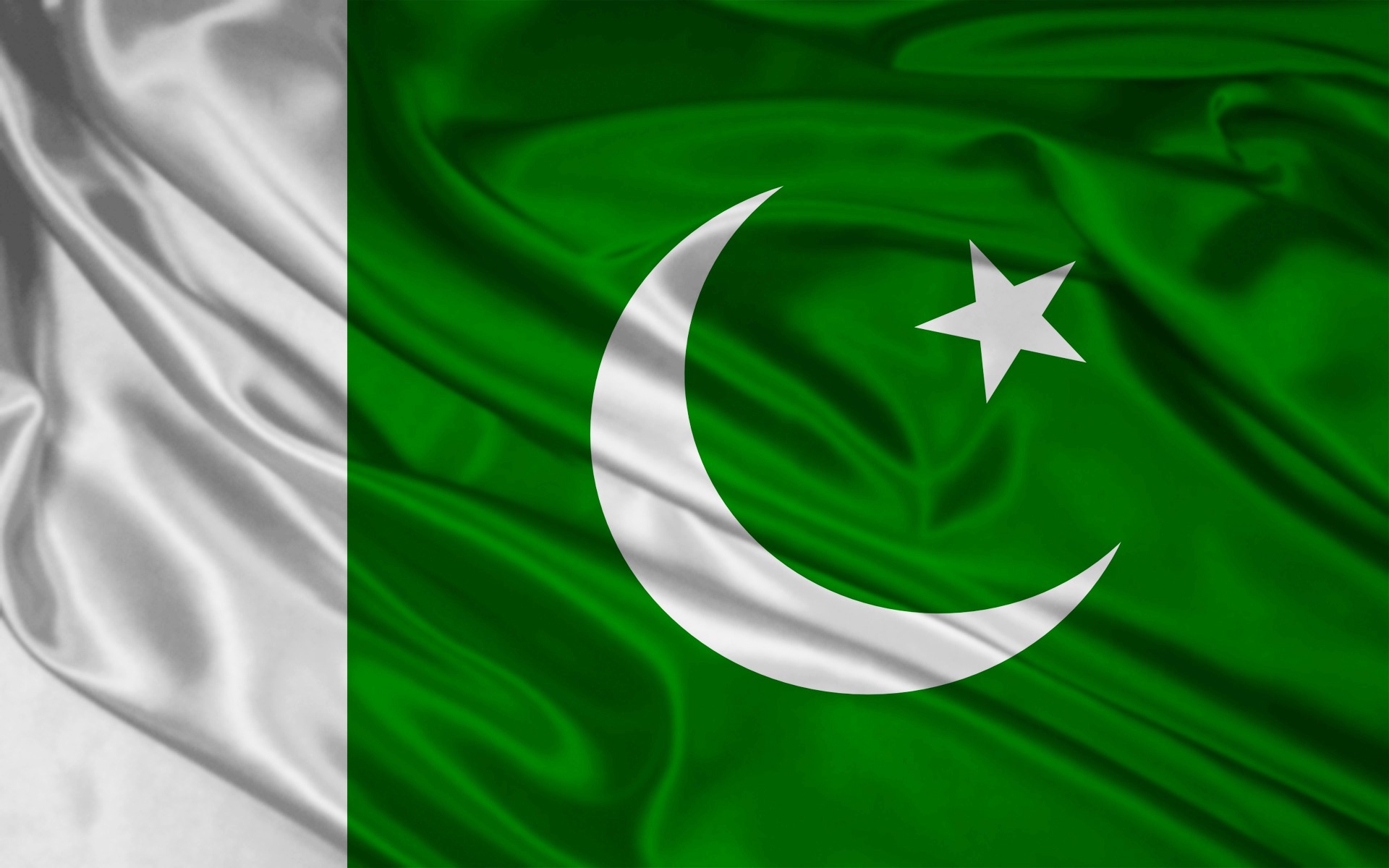
Story of Pakistan
It is the story of family which lived in a colony situated in sector South Asia of Global village and ...

A Glimpse of the Quaid
The Quaid needed to be discovered, his mystery unraveled. Not for his own sake because his place in history is ...

A cry for the Ummah
Daybreak. As the sun rises and light begins to fall, the horror of what has occurred begins to rear its ...

The Small Things in Life That Matter
Its the small daily happenings, which make us all cry with grief or scream with joy. There is one universal ...

It should have been undone
The single act of saving a life out of pure love is greater than spending one whole life in religious ...

A True Muslim can never be a Terrorist
Islam gives us the lesson of tolerance, love and peace. That is why a Muslim is a great apostle of ...

UNO: United Nations Organization or United No Objection
Just a few years back, when I was in my early classes, I was taught that after the World War ...

Oil Politics
Oil is the most important commodity of the present times. The importance of oil cannot be denied. Oil is the ...

Comparative Analysis of Wests and Islamic Perspective of Human Rights
Western and Islamic perspective of human rights is not something different; the basic concept is the same, however they only ...
 Loading ...